English
 Arabic
 Esperanto
 French
 German
 Hindi
Hindi Indonesian
 Italian
 Korean
 Malay
Malay Portuguese
 Russian
 Thai
Thai Turkish
Home » News » Industry news »
French Fries Manufacturing Process
213
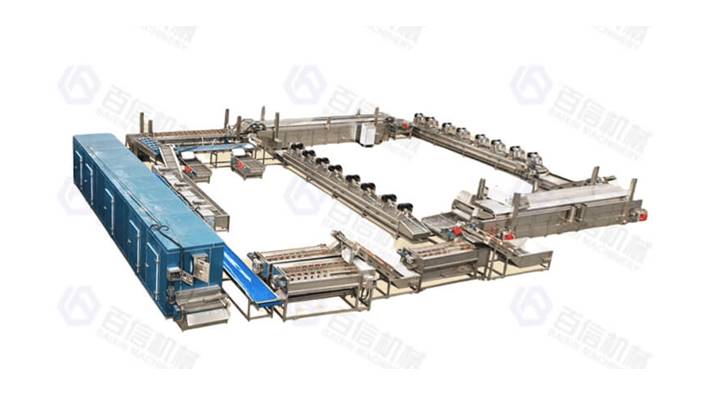
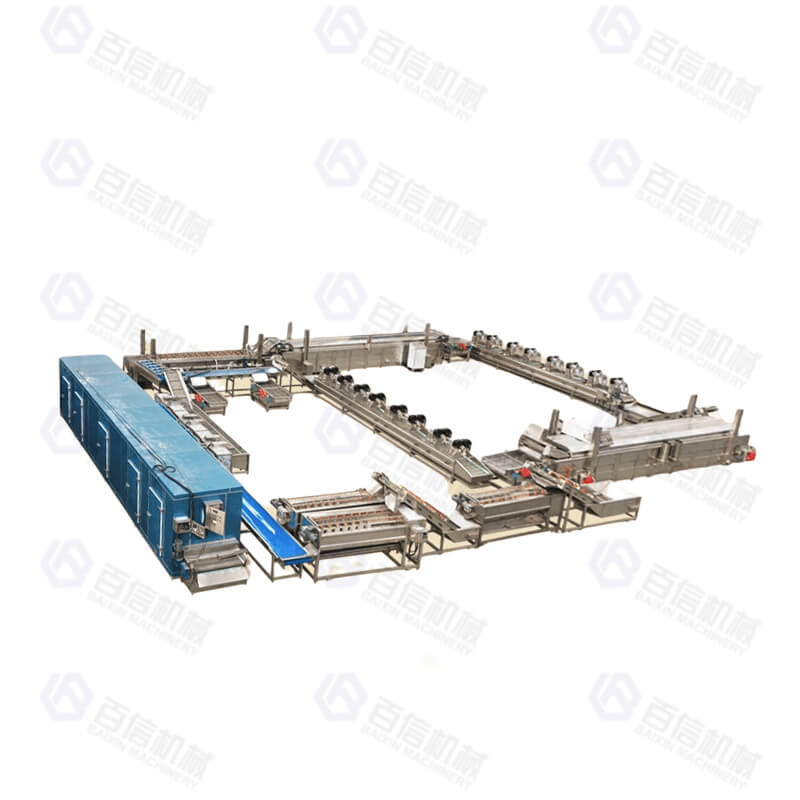
The french fries manufacturing process involves a series of precise and interconnected steps, transforming fresh potatoes into a high-quality frozen product. From raw material preparation to final packaging, each step is strictly controlled to ensure consistency in taste, texture, and appearance. This article will provide a comprehensive overview of the entire process of modern French fries production and the advantages and features of French fries machines with different production capacities.
Overview of Frozen French Fries Production Process
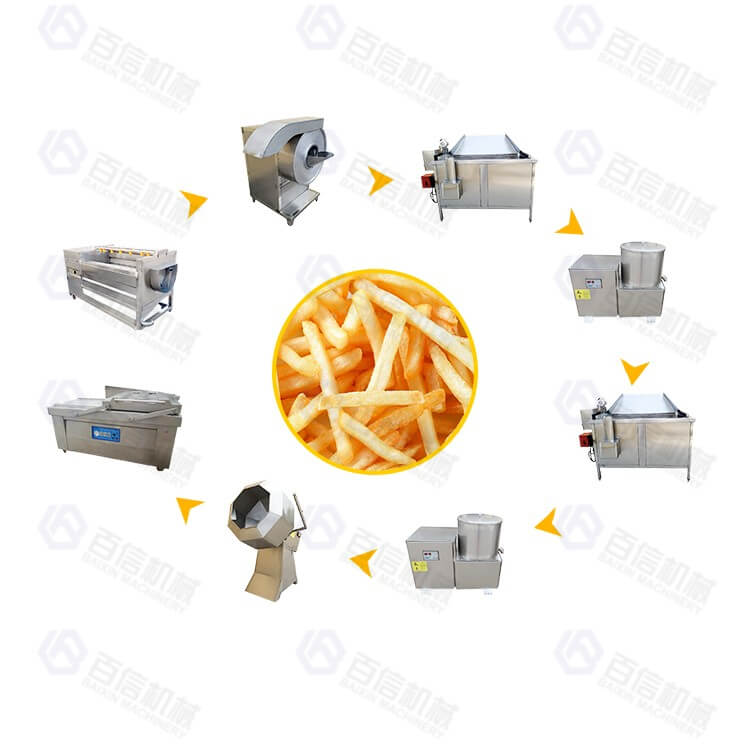
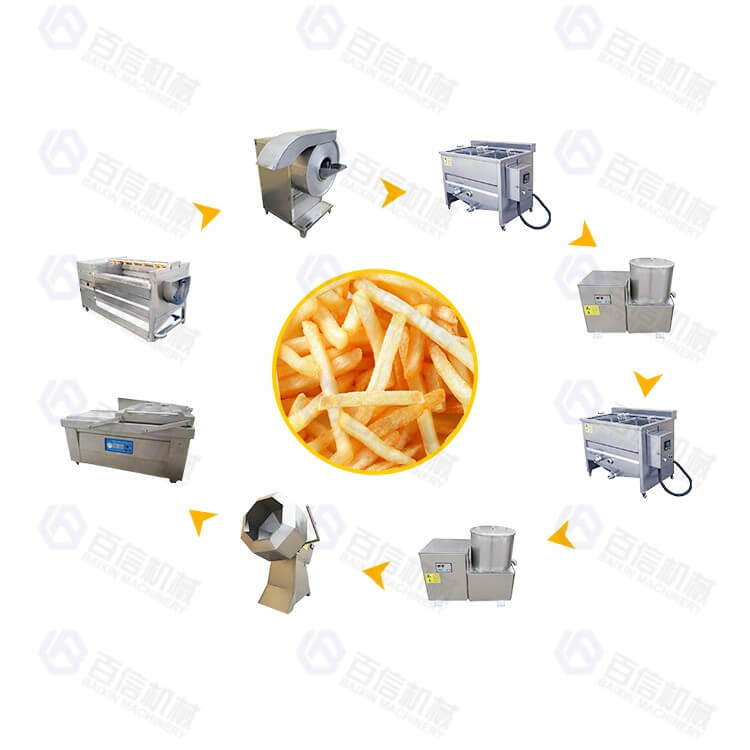
The production process of frozen French fries has clear technical standards and operating procedures for each step. The following is a detailed introduction:
(1) Raw Material Cleaning and Grading
Cleaning: A drum-type cleaning machine is used to initially treat fresh potatoes, mainly removing a large amount of mud and impurities adhering to the surface.
Sorting: Potatoes are classified according to their diameter or volume using professional grading equipment. Grading results in more uniform potato sizes, which helps to obtain fries of consistent thickness during subsequent slicing, ensuring more even heating during frying and improving the appearance and taste of the finished product
(2) Cleaning and Peeling
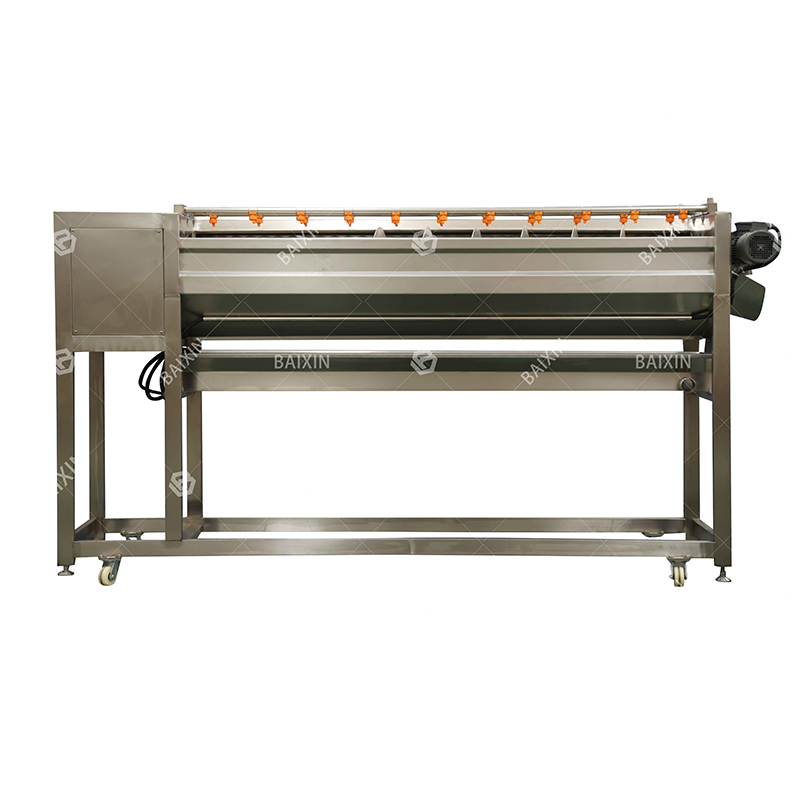
In automated production lines, a spiral brush roller cleaning and peeling machine is typically used. During operation, the equipment removes the outer skin through a combination of spiral propulsion and brush roller friction, while simultaneously rinsing with water, achieving simultaneous peeling and cleaning, improving efficiency and reducing raw material loss.
(3)Strip Cutting
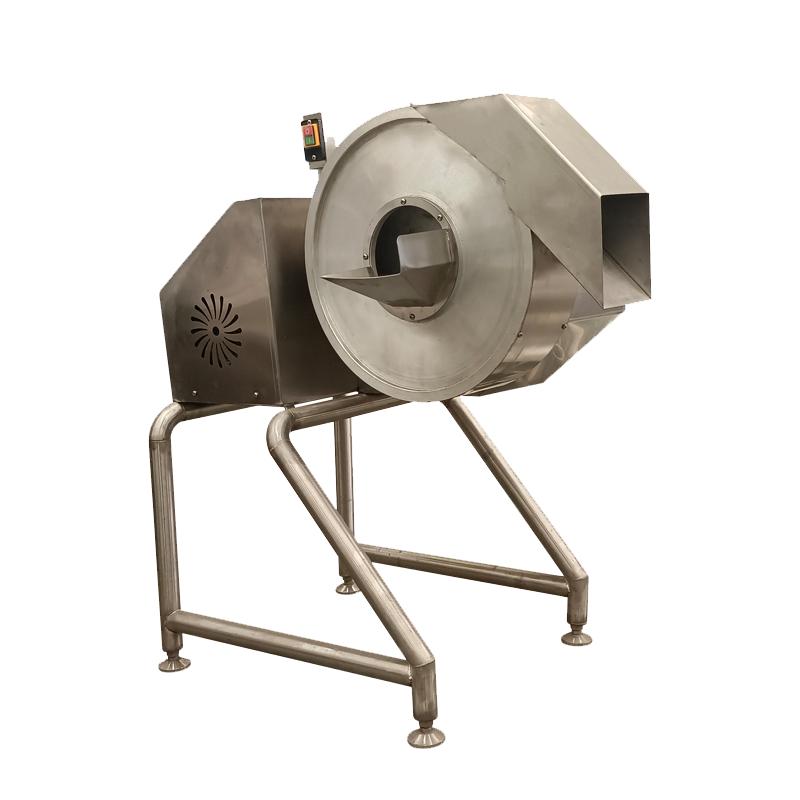
The peeled potatoes are transported to a high-efficiency slicing machine, processed into fries of different sizes (e.g., 7×7mm, 8×8mm, 10×10mm, etc.) according to market demand.
The slicing equipment is equipped with precision blades to ensure uniform cutting dimensions and reduce breakage or fragmentation.
After cutting, the fries immediately enter the bubble cleaning system to remove free starch adhering to the surface. Excessive starch residue can easily lead to sticking or even localized charring during frying.
(4)Blanching and Pre-cooling
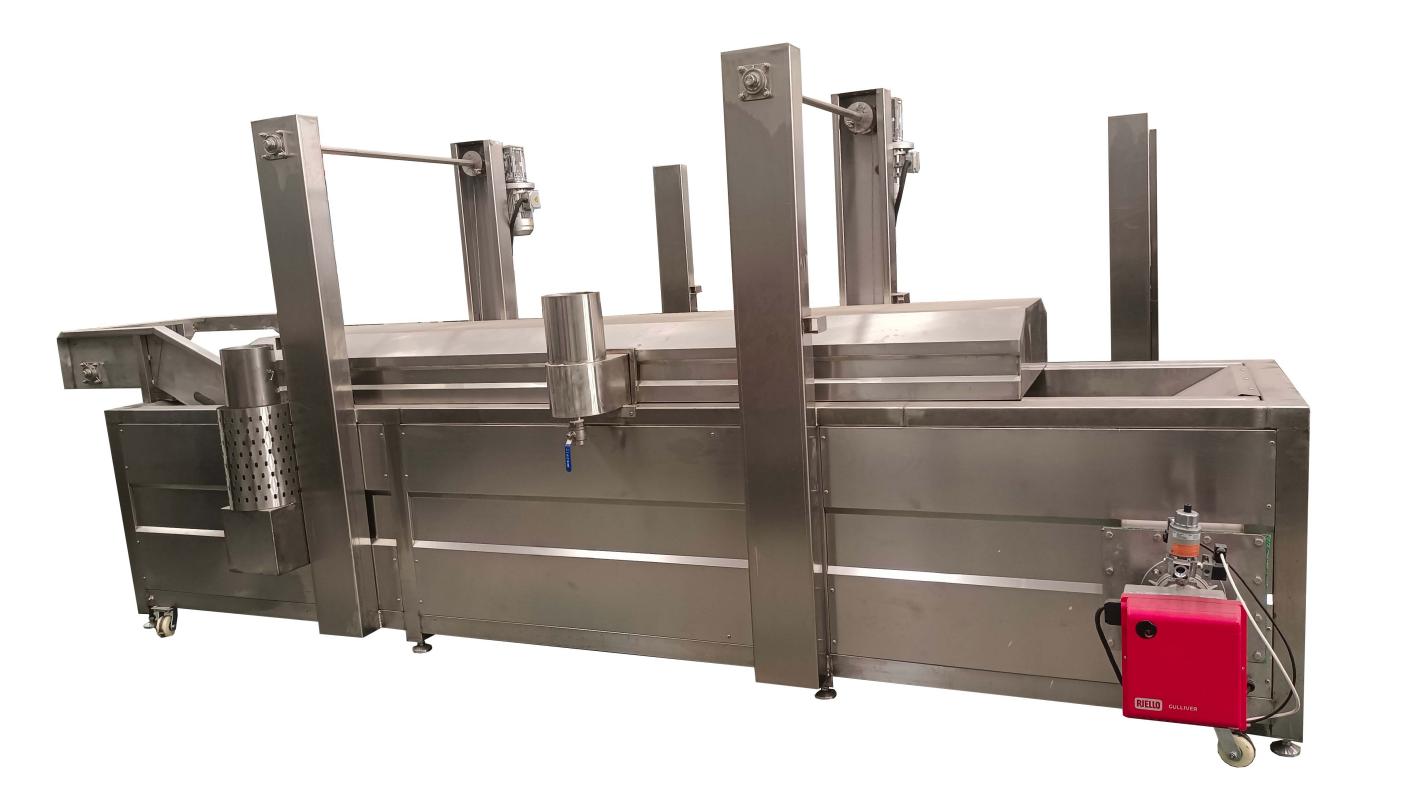
Blanching: Freshly cut fries are prone to oxidation and discoloration, and the internal starch may also retrograde, thus requiring heat treatment.
Fries are typically blanched in hot water at 60–95℃ to deactivate enzymes, preventing color changes during subsequent processing and storage. This process also further removes surface starch, preventing product sticking.
Pre-cooling: After blanching, rapid cooling is necessary, achieved through a cooling system. This reduces nutrient loss and helps optimize the internal structure, resulting in a more desirable texture.
(5)Dewatering and Drying
Cooled fries still contain a significant amount of moisture. Directly introducing moisture into frying or freezing processes will affect product quality.
The processing methods include:
Vibration dehydration: High-frequency vibration is used to quickly separate surface moisture, resulting in high efficiency.
Hot air drying: Low-temperature hot air is used to further remove moisture while stabilizing the texture of the fries.
(6)Pre-fried French Fries
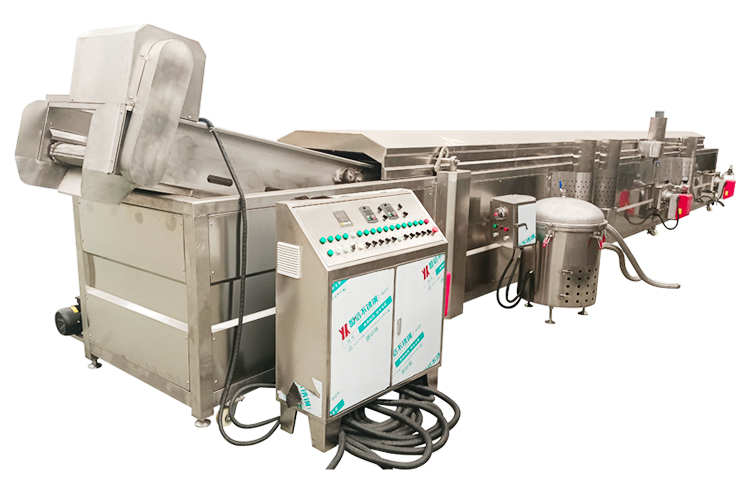
A pre-frying step is usually included in the production of frozen fries. The dehydrated fries are placed in vegetable oil at 160–180℃ and quickly fried for about 30–40 seconds.
This process forms a preliminary crispy crust on the surface of the fries while retaining a suitable amount of internal moisture. After pre-frying, excess oil needs to be removed using an oil removal device to improve product quality and health attributes.
(7)Pre-cooling and Quick-freezing
Pre-cooling stage: The fried fries need to be cooled quickly to avoid overcooking due to prolonged exposure to high temperatures, thus maintaining ideal color and texture. Pre-cooling equipment can quickly lower the temperature to a suitable range for quick-freezing, while improving subsequent freezing efficiency.
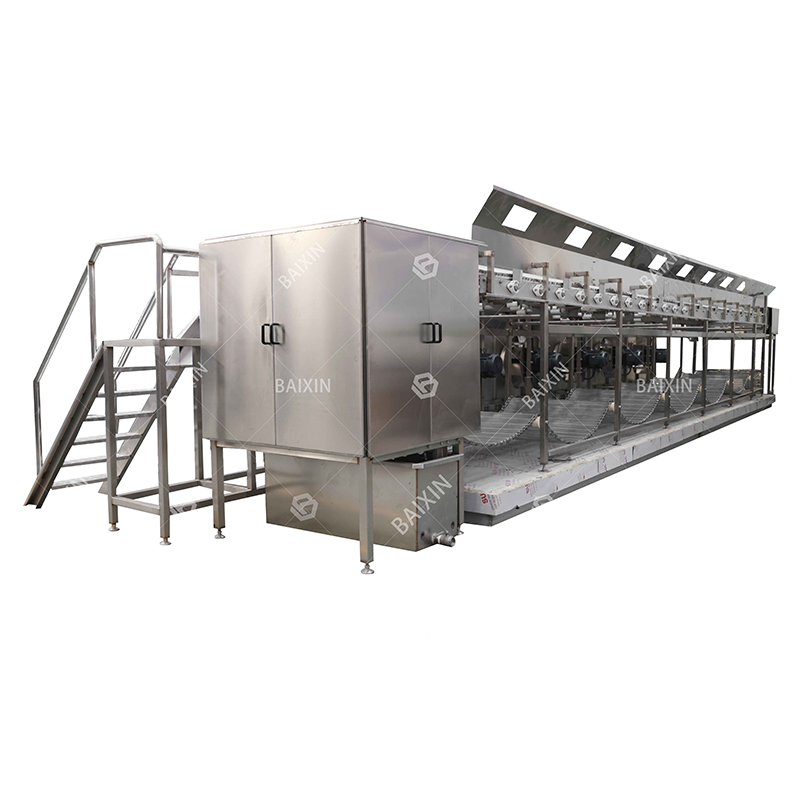
Quick-freezing: Quick-freezing is a crucial step in the entire process. Its purpose is to rapidly lower the core temperature of the fries to below -18°C, thereby locking in moisture and nutrients.
Common equipment is a tunnel-type quick-freezing machine:
Operating temperature: -35°C to -40°C
Freezing time: Approximately 15–30 minutes
After rapid freezing, the fries have a stable structure, and their taste is close to that of fresh products after heating.
(8)Automatic Weighing and Packing
The quick-frozen fries are conveyed into an automatic weighing and packaging system. A multi-head combination scale can accurately dispense the fries according to the set weight or quantity.
The packaged products are then stored in a low-temperature cold storage (usually at -18°C) to ensure stable product quality and for subsequent processing.
Introduction to Types and Advantages of French Fries Production Lines
After understanding the french fries manufacturing process, selecting the right processing equipment is essential for achieving efficient production and consistent product quality. The market offers a variety of frozen French fries production lines, each differing in capacity, automation level, and processing performance. Businesses should evaluate their production needs and investment budget to choose the most suitable solution. Below are common equipment configurations based on processing capacity.
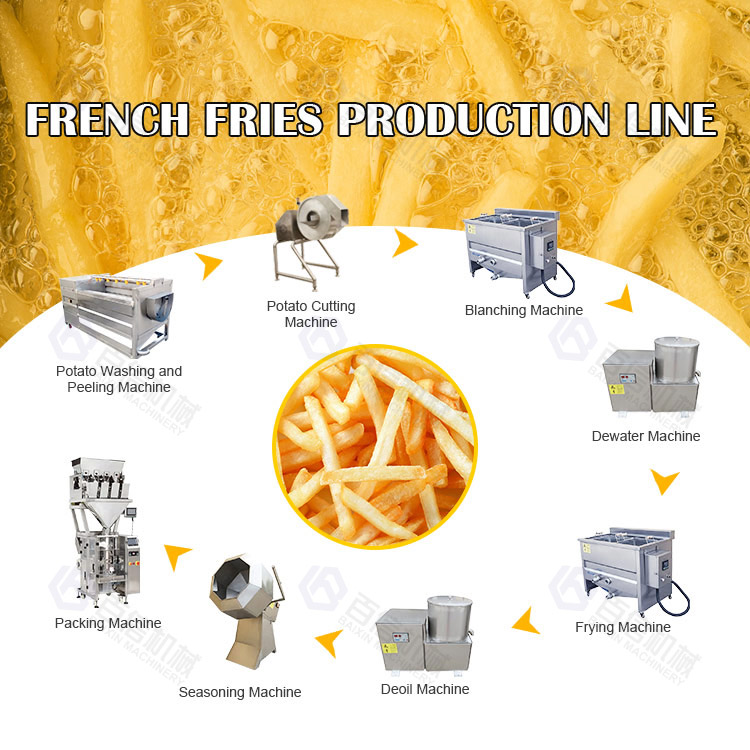
1.Small-scale processing (50–100 kg/h)
Features and Benefits:
This type of production line is compact, cost-effective, and easy to operate. It requires minimal training, making it an excellent choice for start-ups or small investors entering the french fries manufacturing process industry. It also allows for a quick production launch and faster return on investment.
Installation Requirements:
The setup requirements are relatively simple, needing only basic water and electricity supply.
- Investment: approximately $20,000–50,000
- Water consumption per shift: 500–800 L
- Power consumption: 20–180 kW (depending on heat source)
- Labor requirement: 3–5 operators
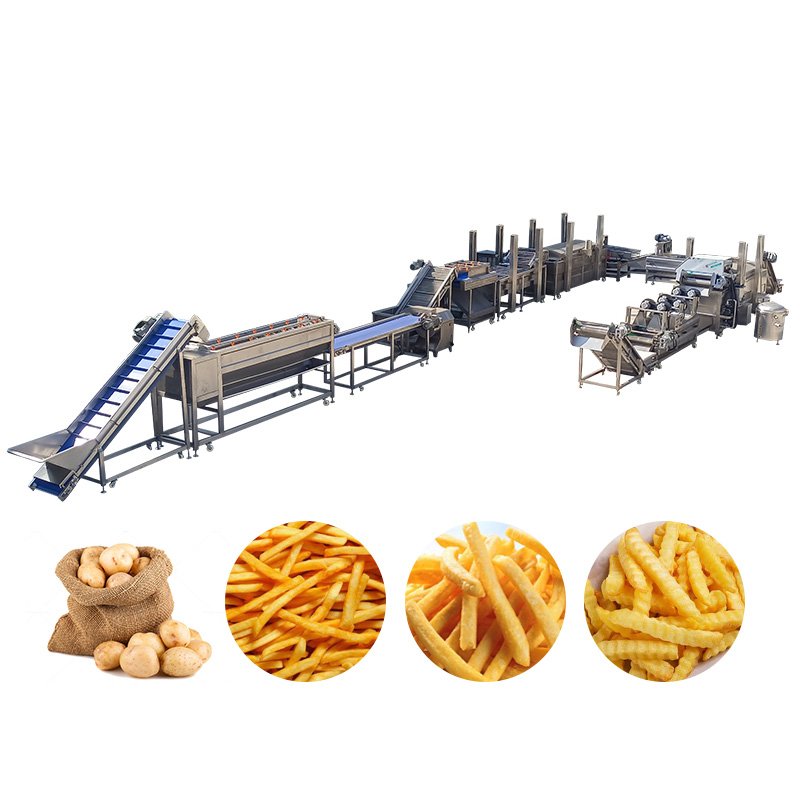
2.Medium-sized processing capacity (200–400 kg/h)
Features and Benefits:
This configuration provides a higher level of automation, enabling continuous and stable production within the french fries manufacturing process. It offers a balanced combination of efficiency and cost, making it suitable for businesses planning to expand production capacity.
Installation Requirements:
A more structured facility is required to support operations.
- Factory area: approximately 300 square meters
- Requires stable power supply and proper wastewater management
- Investment: approximately $70,000–200,000
- Water consumption per shift: 1000–1500 L
- Power consumption: 50–350 kW (depending on heat source)
- Labor requirement: 2–4 operators
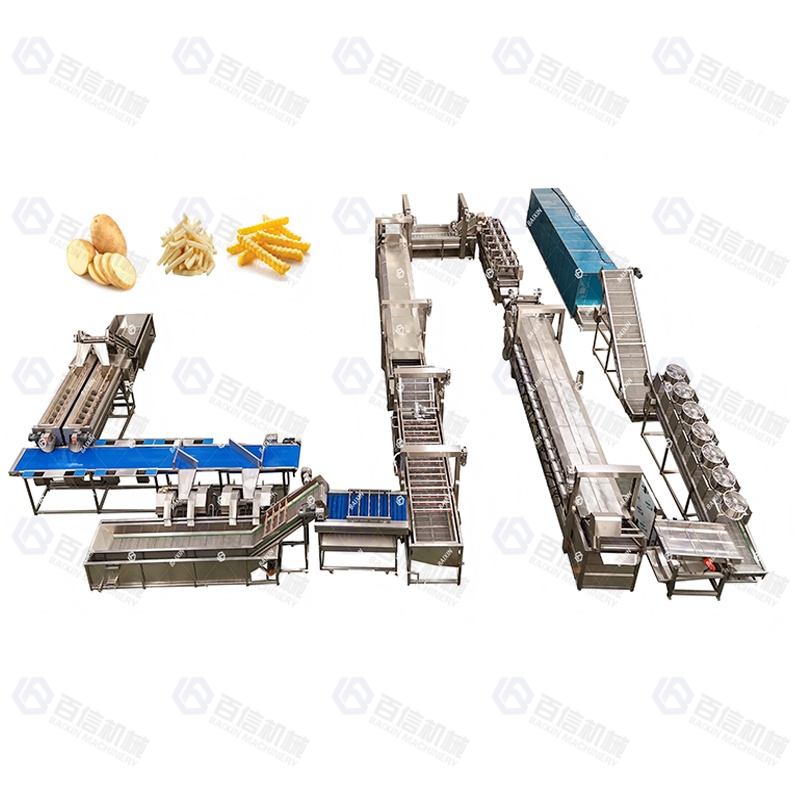
3.Large-scale processing capacity (500–1000 kg/h)
Features and Benefits:
Designed for industrial production, this fully automated line is ideal for large-scale factories involved in the french fries manufacturing process. It significantly reduces labor costs, integrates oil recycling systems to minimize waste, and ensures consistent product quality suitable for export markets.
Installation Requirements:
Requires a well-equipped and spacious facility with robust infrastructure.
- Factory area: approximately 500–750 square meters
- Requires stable electricity, sufficient water supply, and efficient drainage systems
- Investment: approximately $280,000–450,000
- Water consumption per shift: 2500–3500 L
- Power consumption: 200–1000 kW (depending on heat source)
- Labor requirement: 4–6 operators
In the french fries manufacturing process, choosing the right equipment is a critical step toward optimizing efficiency and ensuring product consistency. Whether starting small or scaling up to industrial production, selecting the appropriate processing line can help businesses reduce costs, improve output, and remain competitive in the global market. If you require more professional advice regarding the frozen French fries production process and processing machinery, please feel free to contact us. Baixin will provide you with customized solutions.

Previous post:
Next post: